

The Amoeba, the Odds, and Why I'm Still Swimming in the Haw
A teenager here in central North Carolina recently died from a brain infection caused by an amoeba called Naegleria fowleri, also known as the “brain-eating amoeba”. Most likely from swimming in fresh water. Days before that, another child, an eight year old, in Louisiana died from the same thing. I've been thinking about those families all week.
Across the region, young people and parents in particular are worried about whether it's safe for their kids to swim in the river. Here's the truth: the risk is real, though very small, and there are simple precautions to make swimming safer.
What is this organism?

Naegleria fowleri is a single celled amoeba that lives naturally in warm fresh water. That includes ponds, lakes, rivers, hot springs, and poorly maintained splash pads. It's been in our water for as long as there has been warm water in North Carolina, and it's in most states now. It doesn't live in salt water or in chlorinated pools.
The route of infection is narrow and specific. The amoeba has to be forced up your nose with enough pressure to reach the tissue at the top of your nasal cavity. You cannot get this from drinking river water, getting it in your mouth, or from a cut on your leg. What pushes water up a nose hard enough to matter is jumping, diving, cannonballs, water skiing, and dunking each other.
This is RARE.
Fewer than 200 cases have been diagnosed in the entire United States since the 1930s. The CDC counts somewhere between zero and eight a year nationwide, out of the hundreds of millions of times Americans swim in fresh water every summer. Texas and Florida have seen the most. Most cases happen in July and August: the hottest, stillest, shallowest water of the year.
For comparison, about eleven people drown in this country every day, or roughly 4,000 a year. The real dangers at the river are the current, the drop off past the sandbar, and the rope swing over water nobody has measured this year.
What makes those risks worse is that most of us were never taught how to handle them. More than half of American adults have never taken a swimming lesson, and roughly 40 million say they can't swim at all. Swim lessons, a basic paddle safety course, and a life jacket (that fits) do more to keep a family alive on the water than anything else I can point to. I want every family in this watershed to have access to those things.
The threat of this amoeba scares us so much because it’s almost always fatal, it moves fast, and children are especially vulnerable. Something that awful lodges in your head in a way an ordinary risk never does, which is why one case in the news feels bigger than 4,000 drownings we never hear about. Let’s not lean into the fear and deprive ourselves of a cool swim in the river; let’s think about how to best keep the risks low.
What lowers your risk?
Keep water out of your nose. That is the single most important thing, as it is how the amoeba gets into your system.
Nose clips cost a couple of dollars and they work. Holding your nose when you go under works too. Keep your head above water when you can, especially in shallow, warm, stagnant places. Personally, I don’t put my head underwater in warm, shallow, stagnant water.
Don't kick up the sediment on the bottom in warm shallow water, since the amoeba concentrates there. Go easier on the jumping and diving during the hottest stretches of late summer, which is right now. Skip putting your head under in hot springs entirely.
If you use a neti pot or rinse your sinuses at home, use distilled or previously boiled water, never straight from the tap. Some cases have come from exactly that.
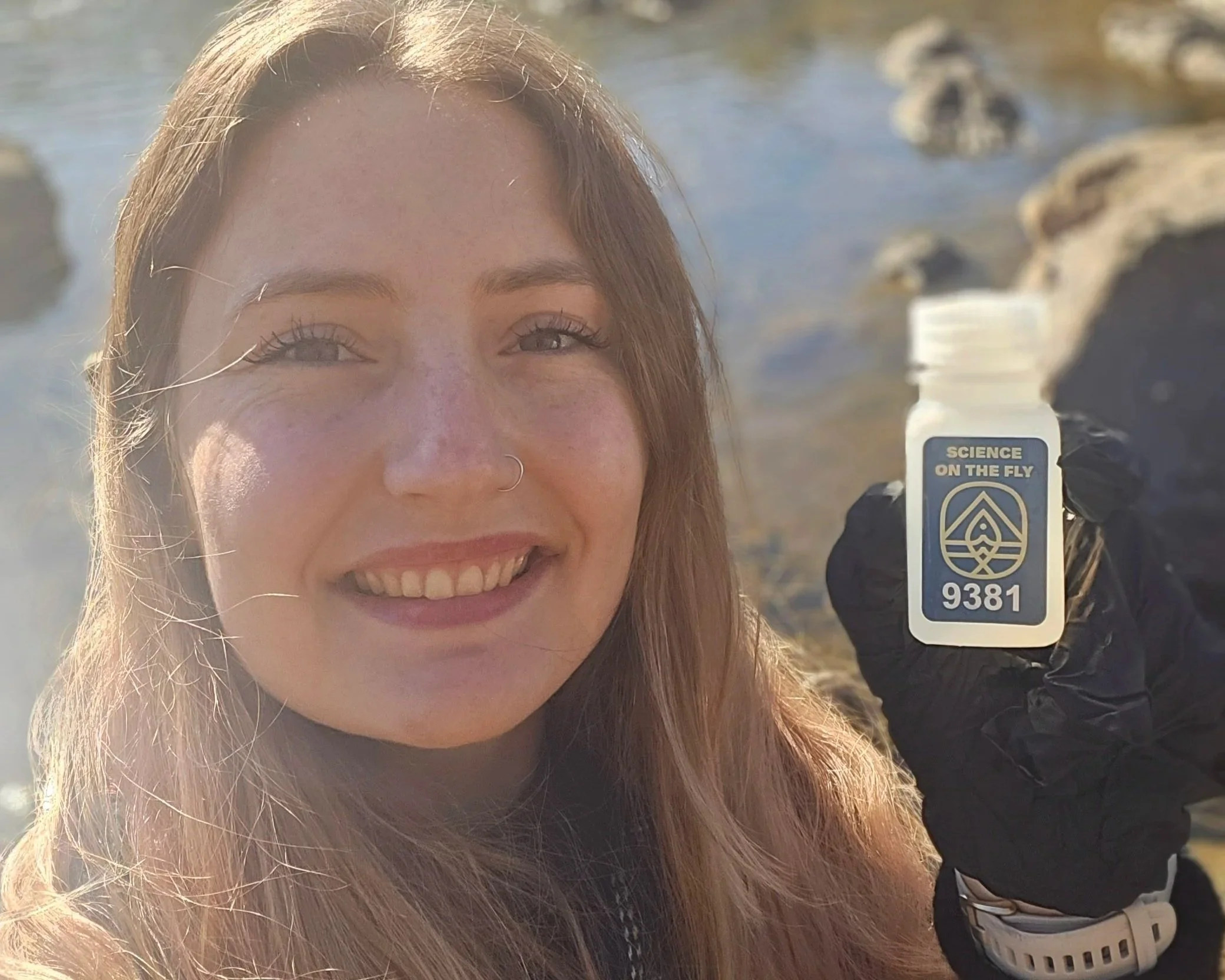
Haw River Assembly’s Water Testing
Every week, from Memorial Day through Labor Day, Kaitlyn travels to and samples from twelve recreation access points across the watershed for E. coli. We post results every Friday during Swim Report season.
Our data tells you about bacterial contamination from sewage and runoff, which is the most likely thing to make you sick after a swim, usually after a hard rain. Our Swim Report nor any of our other sampling data includes Naegleria fowleri.
Nobody tests for it routinely, not us, the state, or federal government agencies. It's naturally present in warm fresh water across the South. Testing is expensive and slow, and a positive result wouldn't tell a swimmer much, because the amoeba being present is close to the baseline condition of a warm river in August. Public health agencies have been clear that it can't be removed from the natural environment. The precautions I mentioned above are the honest answer, and they're the same ones I follow with my own family.

Why I’m Still Swimming In The Haw
I've spent my career watching what happens to water that nobody swims in. It becomes treated as a drain. Permits are written for it, discharges are approved into it, and the people swimming downstream never object because they never had a reason to think of it as theirs.
A river full of kids on inner tubes is a river with a constituency. Every person who has floated the Haw in Saxapahaw or waded in at Chicken Bridge is someone who shows up when we need a hearing room filled. People who have a favorite swimming hole have defended this watershed for forty years.
Public water is also the last swimming most people can afford. Not everyone has a backyard pool or a club membership, and a public river with a gravel parking lot is the difference between a summer outside and summer in front of a screen.
Regardless of how this month's headlines land, the threats I lose sleep over in this watershed are the ones that never trend. PFAS chemicals don't break down, and they're in this river year round. 1,4-dioxane keeps moving downstream toward drinking water intakes. Sediment smothers the aquatic life we count every year. All of these show up in our data every single season.
Hold your nose when you jump off the big rock upriver of Saxapahaw, and teach your kid to hold theirs when they jump off your shoulders at the lake. Keep your eye out for the Haw River Assembly swim report on Fridays during our Swim Report season. I'll see you out there.