Finding Her Flow: Anna Pederson Shares Her River Watch Internship Experience
Anna Pederson wasn't particularly into bugs before she started her internship with Haw River Assembly. Yet after spending months wading through local streams, flipping over rocks, and counting caddisflies, she's become a champion for the tiny creatures that tell us whether a stream is healthy.
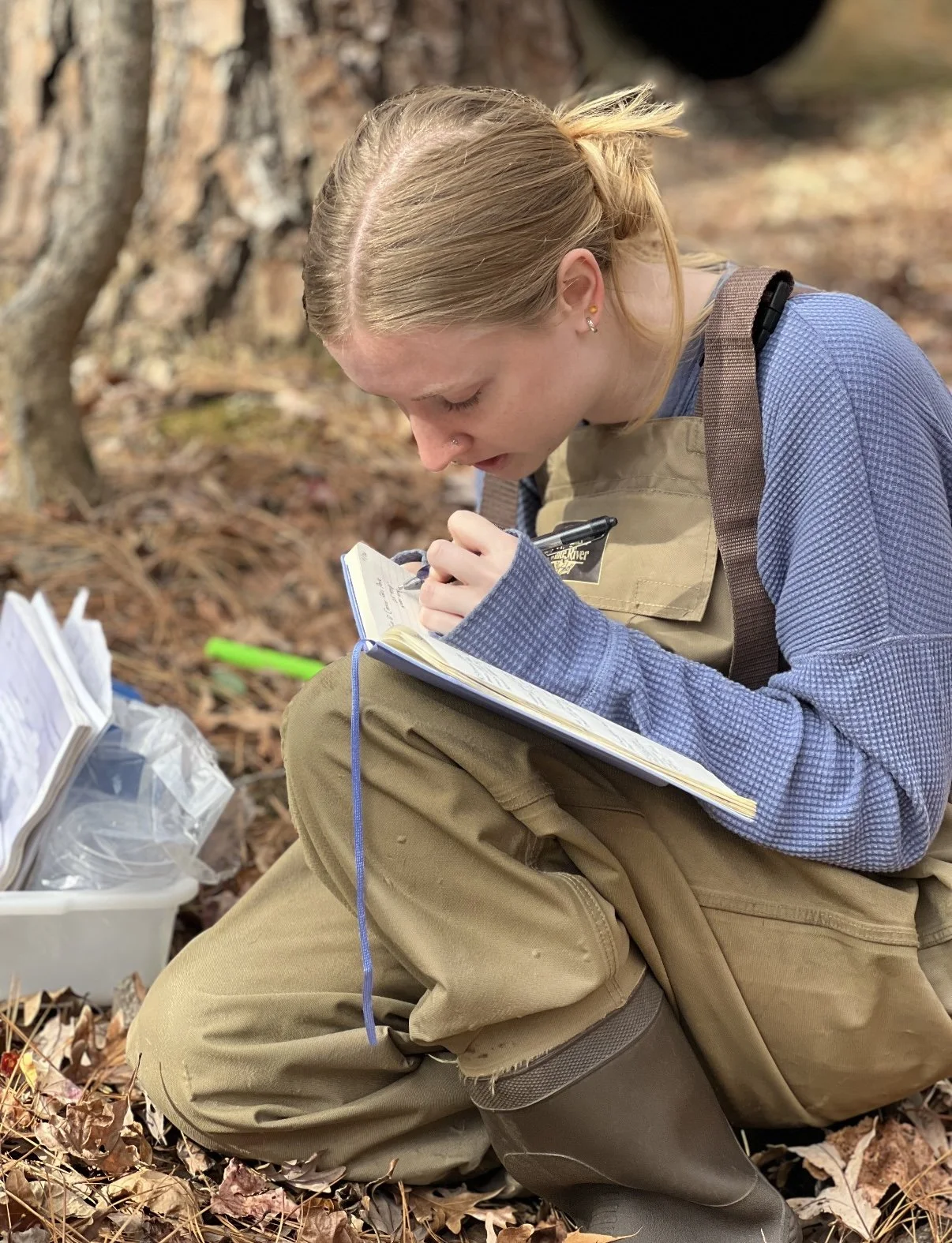
As HRA's Riverwatch intern, Anna collected water quality data at sites throughout the watershed, with a focus on macroinvertebrates. These small aquatic insects are excellent indicators of stream health. If you find 11 different types in one spot, that's a good sign. If you come up empty-handed just a few hundred yards downstream? Something's going on and needs investigation.
"That was the most surprising thing to me," Anna says. "How different the water could be upstream and downstream. You could go to a site upstream and it would be incredibly healthy and then go downstream and you really can't find much at all."
Anna came to HRA through UNC's EcoStudio program and is now studying for her master's in environmental epidemiology at Johns Hopkins in Baltimore. She's focusing on how environmental factors like water and air quality impact human health. The HRA internship gave her something she couldn't get in a classroom: hands-on experience “in the field” with the entire process of environmental data collection, from stream to spreadsheet to social media.
"I'd only ever had experience working in the data management and analysis aspect," she explains. "I really wanted to know what went into collecting environmental information and then looking at each step of the process."
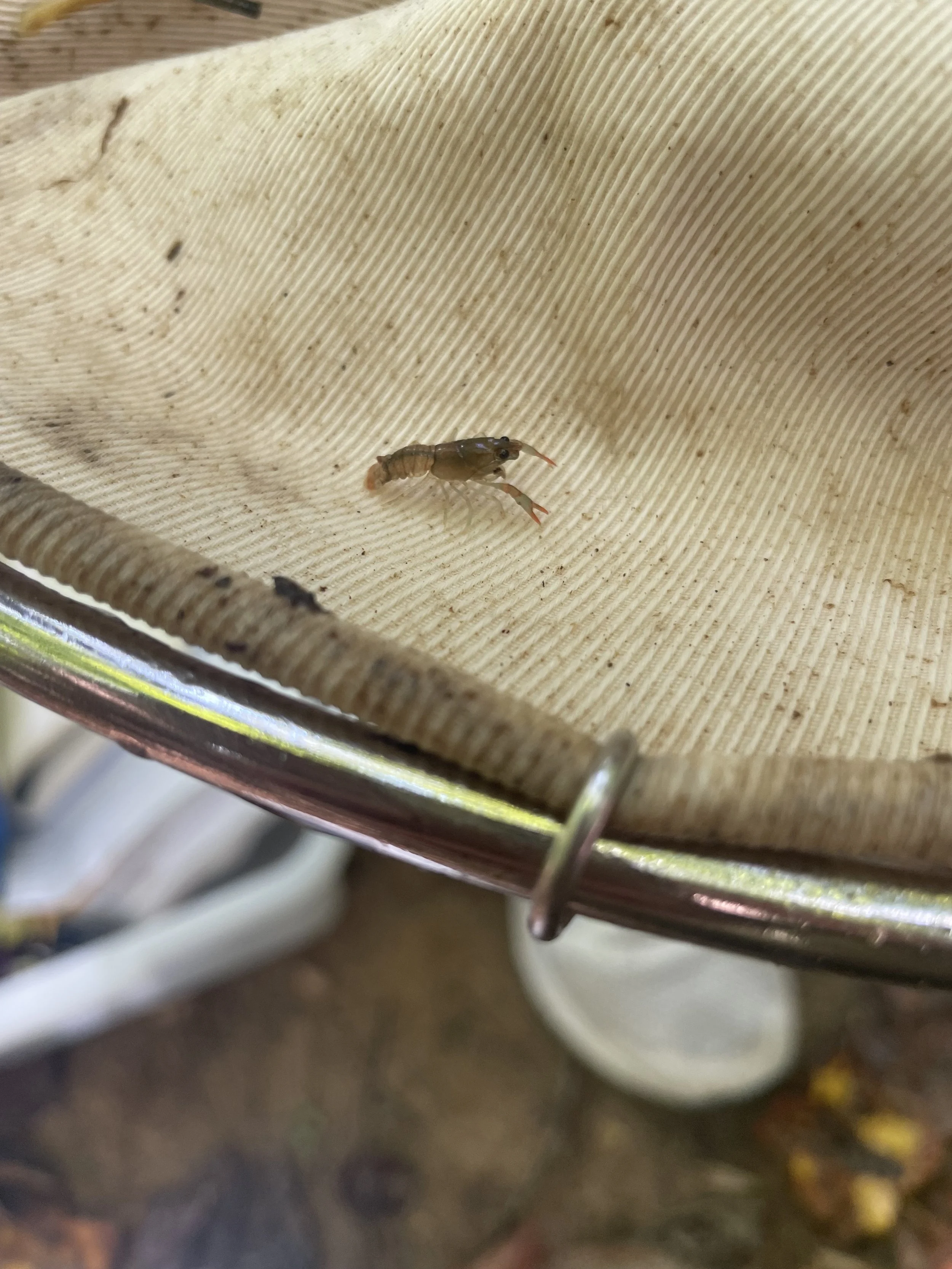
Her work included testing pH, temperature and macroinvertebrate surveys. She'd collect samples, identify what she found, input the data into Google Forms, and she also helped to create Instagram posts for Macro Monday, HRA's social media series introducing people to these water quality indicator critters. Her favorite finds? Water pennies, caddisflies, and the occasional crayfish. She even witnessed a deer jumping over the river during one quiet monitoring session near Saxapahaw, a reminder that clean water matters for all the watershed's residents, not just humans.
The work also opened her eyes about localized pollution. While monitoring multiple sites on Bolin Creek in Chapel Hill, Anna noticed significant differences in water quality over short distances. Sites near the former coal ash dump showed particular degradation. "That stuff doesn't go away overnight at all," she notes. "It stays in the water."
What struck Anna most was the power of working locally rather than focusing solely on federal environmental policy. "I found it most impactful to work directly in the community and produce information that will directly impact the community around you," she says. "I think that's also sort of the way things are headed if we don't have a lot of funding federally. Things will have to be done locally."
She was also surprised by how accessible this work is. HRA's volunteer monitoring teams go out quarterly with varying levels of experience. "There were a lot of volunteers who were able to go collect water quality information with their own teams," Anna says. "It's much easier than people realize to get involved locally. I think they think they need to have a bunch of skills and a bunch of experience doing everything, but it's much easier."
For Anna, clean water means more than just H2O. It means taking all necessary steps to ensure drinkable water and holding companies accountable for their impact on public health. "Everybody can't think about these issues every day," she points out. "Someone's got to make sure people are being held accountable for how they're impacting everybody's health."
Her advice for people considering getting involved with HRA is this, “Don't overthink it. If you care about the environment, that's really all you need to get involved. The Haw River takes care of everything else. They'll teach you what you need to know. They'll give you tools that you need to be able to make an impact. All you need is the fact that you care."
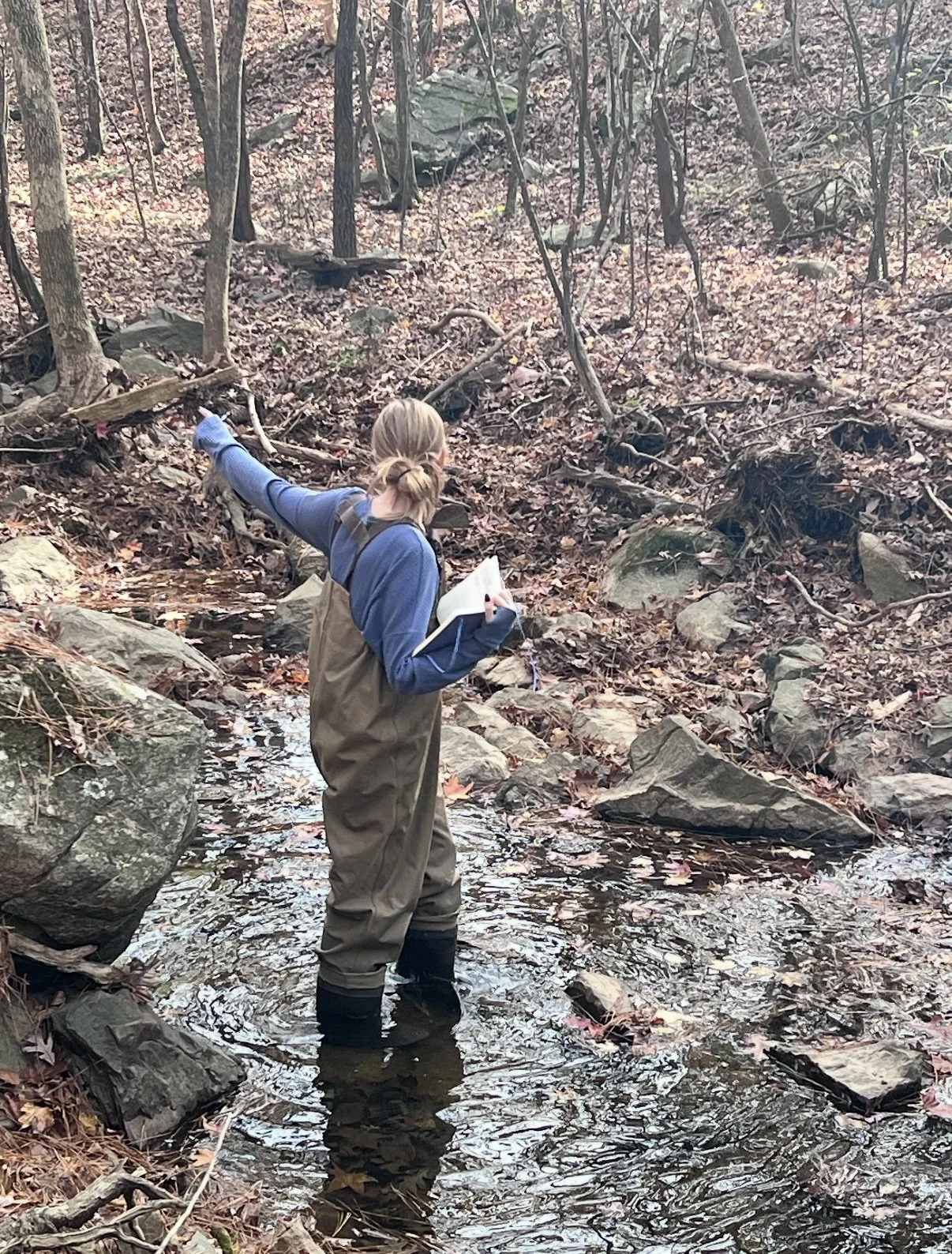
Anna credits Haw River Assembly's 43-year track record of protecting the watershed and supporting the community. "Not everybody needs to make it a career," she says, "but if everybody were to think about it a little more each day, then I think it could have a really big impact if everybody is concerned about water quality, concerned about air quality and thinking about that a lot more and making decisions based off of that."
As for those Chapel Hill stream sites where she spent so much time during her undergraduate years, Anna feels particularly invested in keeping them clean. "Especially the ones with the trails that people run on and walk on every day," she says. “After all, the health of those streams affects everyone who lives, works, and plays in the watershed, whether they're thinking about it or not.”
To learn more about our River Watch program, please visit: https://www.hawriver.org/river-watch