

Emily Sutton: Friday, December 12, 2025
On November 20, 2025, the Environmental Protection Agency and the Army Corps of Engineers published a proposed rule to further narrow the scope of waters and wetlands protected by the Clean Water Act. EPA and the Corps are accepting comments on the proposed rule through January 5, 2026. Comments can be uploaded HERE.
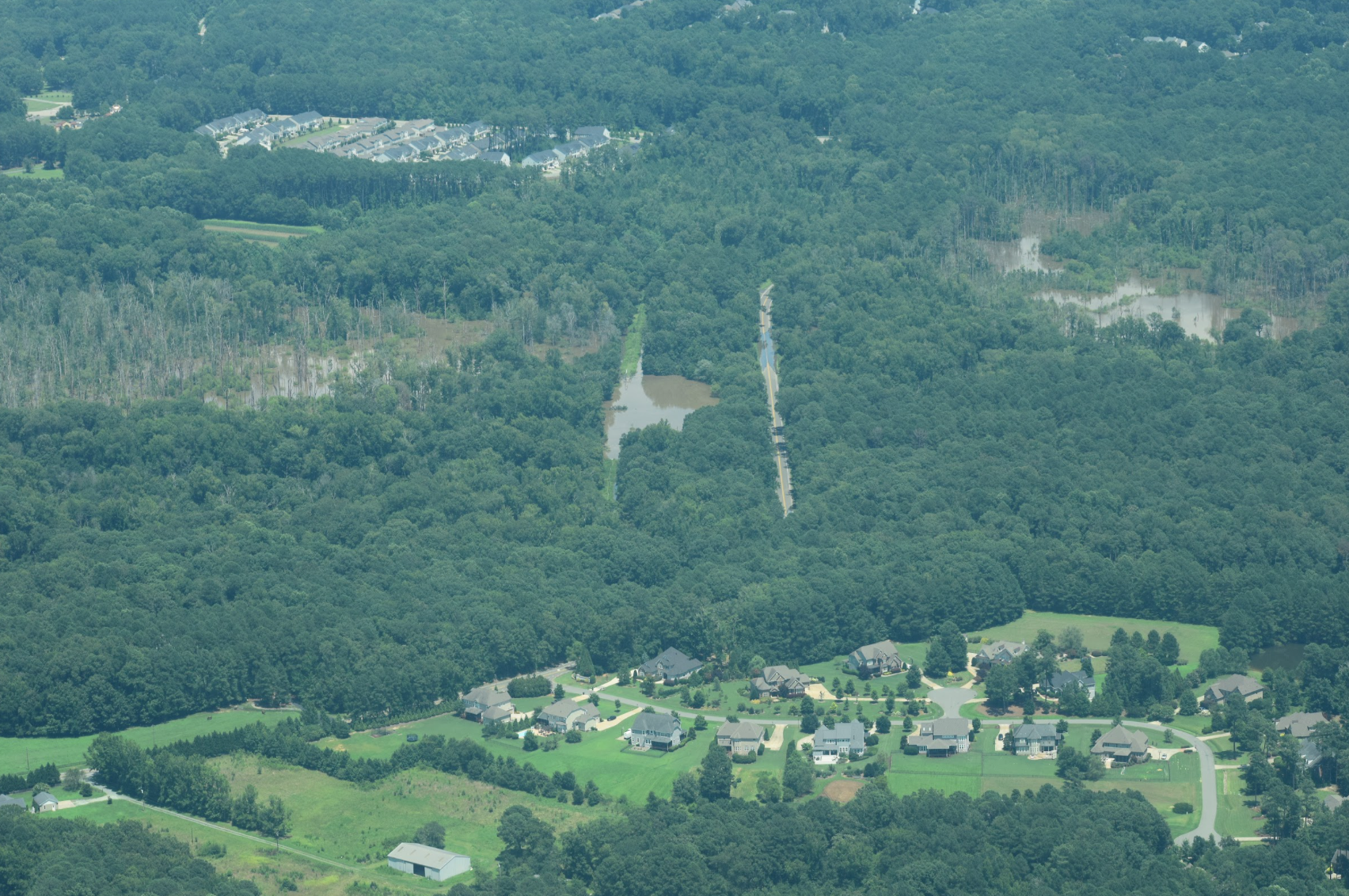
Wetlands protecting neighborhoods during Chantal flooding event. Photo: Anita Moore from volunteer SouthWings flight
The Background of the Polluted Water Rule:
• In 2023, the Supreme Court handed down its decision in Sackett v. EPA, which narrowed the scope of the Clean Water Act for wetlands. After Sackett, only those wetlands with a “continuous surface connection” with a “relatively permanent” body of water connected to “traditional interstate navigable waters” were protected within the jurisdiction of the United States.
• Sackett eliminated vital protections for millions of acres of wetlands throughout the Southeast and nationwide.
Proposed Redefinition of “Waters of the United States”:
The proposed rule limits the scope of the Clean Water Act even more than Sackett. Estimates by the agencies themselves suggest that this rule, in combination with Sackett, would remove federal protection for approximately 80% of wetlands nationwide, leaving them vulnerable to being filled, developed, and polluted. This devastating loss of wetlands will adversely impact biodiversity, flood control, and water quality throughout the Southeast.
This rule proposes several key changes to EPA/Corps regulations:
The rule proposes to narrow the definition of “relatively permanent.” Lakes, rivers, and streams would have to be standing or flow year-round or at least during the wet season to be “relatively permanent.”
The rule proposes to narrow the definition of “continuous surface connection.” Wetlands would have to directly touch a traditional navigable water, relatively permanent tributary, or impoundments and hold surface water at least during the wet season to have a “continuous surface connection.”
The Bottom line: The harm that the rule will cause to communities and the environment
far outweighs any purported benefits. Moreover, this rule is not backed by science.
• Loss of wetlands: The rule proposed to further curb the extent of waters covered by the Clean Water Act beyond the damage inflicted by the Sackett decision, and it will likely result in over 80% of the country’s wetlands and many streams falling outside of federal protection. A loss of wetlands equals a loss of the crucial ecosystem services they provide, including water filtration, wildlife habitat, flood prevention, and groundwater rechargers.
• Water quality: Wetlands are the kidneys of watersheds and filter pollution that would otherwise wind up downstream. Without wetlands, this pollution threatens water quality and drinking water.
• Exacerbating flooding: Wetlands are one of the greatest natural infrastructures to prevent flooding. One acre of wetlands can store over one million gallons of water. Without protection, wetlands can be destroyed and communities left to face the consequences.
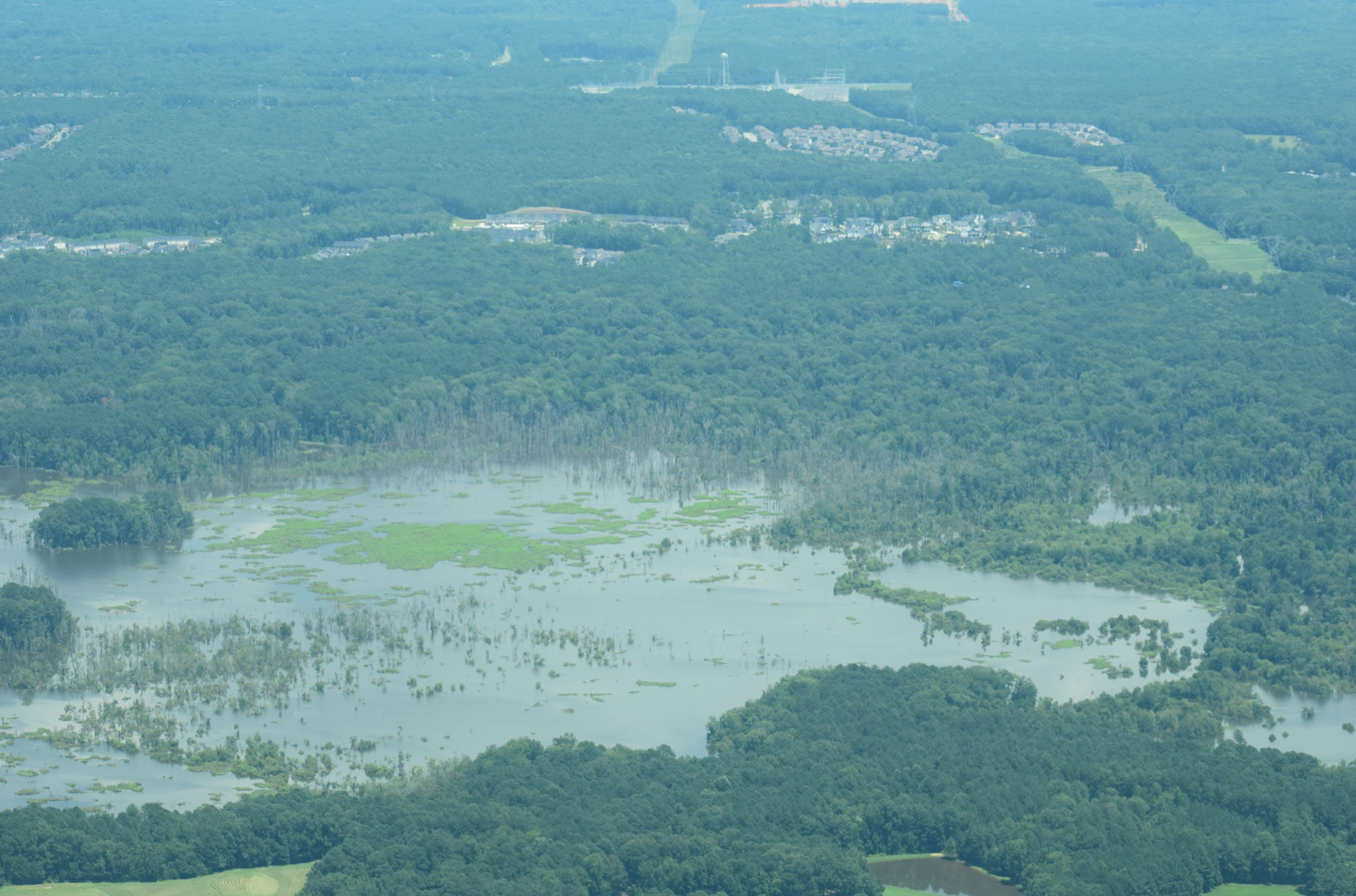
Wetlands doing what wetlands do. Photo: Anita Moore from volunteer SouthWings flight.